YouTube | Spotify | Apple Podcasts
Three Reasons Your Cheer Gym Marketing Isn’t Converting
Cheer Biz Podcast host Dan Cotton breaks down what’s changed in Facebook and Meta advertising for cheer gyms heading into 2027, and the three fixes he’s using to turn declining ad performance back around: creative, copy, and offer.
Why Ad Performance Has Gotten Tougher
On this episode of the Cheer Biz Podcast, host Dan Cotton tackles a subject hitting close to home: why marketing that used to work is converting less and less. Cotton, who runs paid marketing for his own gym as well as DreamCamps and ODT, and coaches hundreds of other gym owners through NextGen, said his own ad performance has softened over the past year, and he’s seeing the same trend across his coaching clients.
A year ago, he said, gyms could lean on simple Facebook lead forms, route those leads into a CRM, and follow up by text with solid results. Now, the same tactics still generate leads, but many of them are weaker. Cost of acquisition has climbed while return on ad spend has dropped, prompting Cotton to dig into what’s actually changed. He landed on three main culprits: weak creative, generic AI-written copy, and offers that don’t give buyers a real reason to nurture their way toward a sale.
Fix #1: Make Your Creative Feel Real
The first issue, Cotton said, is creative that doesn’t ring true. Polished, heavily designed graphics, the kind built entirely in Canva, tend to underperform because they don’t feel authentic. His recommendation is to lean into organic content instead: iPhone photos and video straight from the gym floor, lightly edited if at all, that feel like they’re coming from a real person rather than a faceless brand.
Before spending a dollar on advertising, Cotton suggested posting that organic content on the gym’s own social channels first. Whatever performs best there, measured against the gym’s typical engagement, is the strongest signal of what will convert as a paid ad. Content that already resonates with an audience that knows the gym is the best proof of concept available before spending is committed.
A Caution About Chasing Viral Views
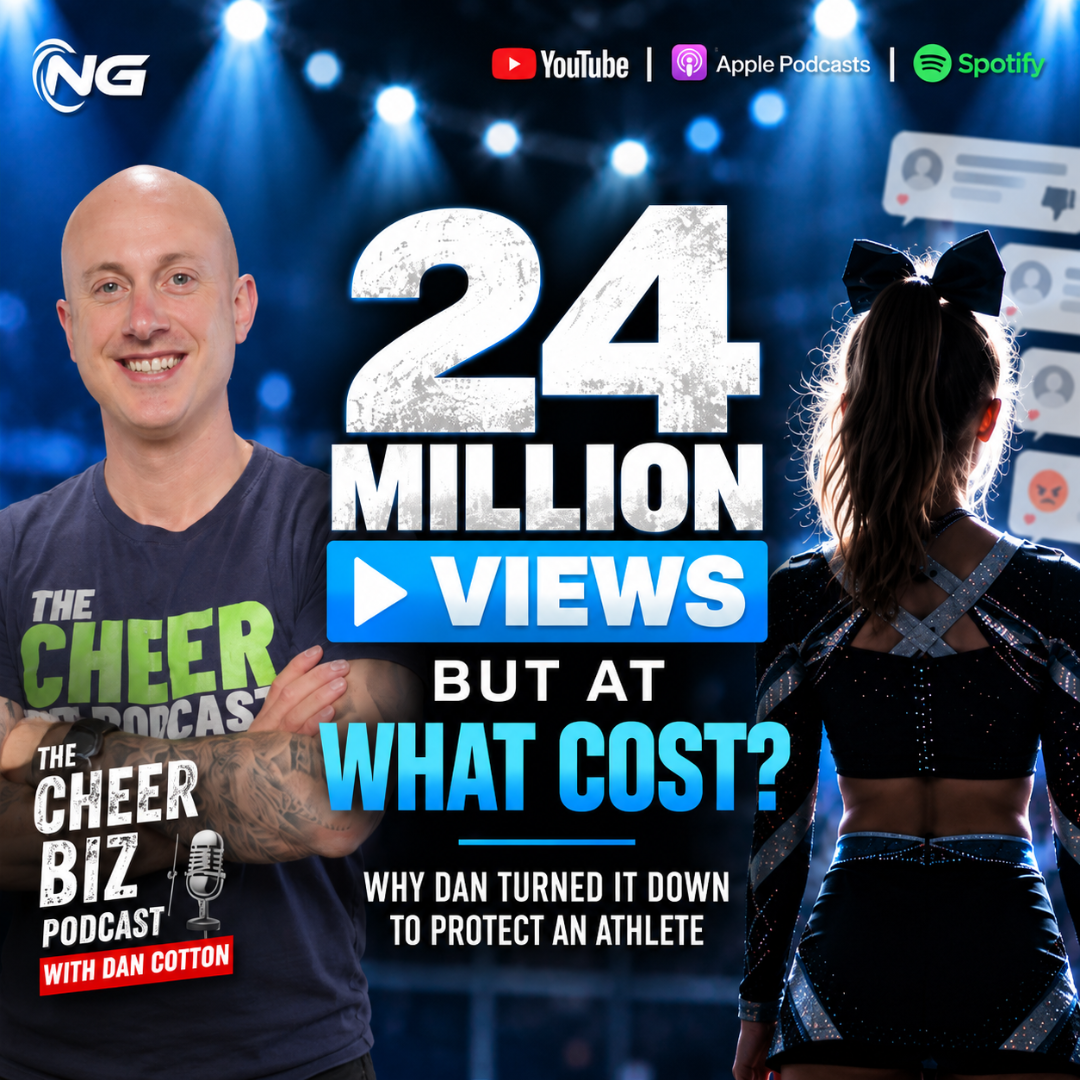
Not every high-performing post deserves ad dollars, though. Cotton shared an example from his own gym: a video of an athlete landing a back walkover picked up roughly 24 million views. Rather than reflecting genuine interest in the gym, much of that traffic came from viewers being unkind about the athlete’s body type. Cotton chose not to promote it and has taken similar videos down entirely, since protecting athletes matters more than chasing view counts that come from the wrong kind of attention.
Fix #2: Stop Letting AI Write Your Ad Copy
The second problem is ad copy, meaning the actual written words in an ad. Cotton was clear that he uses AI constantly and doesn’t mind when it’s obvious, pointing to a ChatGPT-generated thumbnail for a recent DreamCamps YouTube video that looked clean and did its job well. But when it comes to the copy behind a paid ad, he said AI-generated text tends to sound identical across gyms: a cheer megaphone emoji, registration-open-now language, a list of what athletes will receive, and little else that’s distinctive.
Copy is where an ad actually sells, Cotton said, while the creative is what earns the initial attention. Some of his best-performing ads open with a direct, specific line, calling out busy working moms or naming a neighborhood, rather than generic marketing language. Because audiences can already tell an ad is sponsored, he said, copy that reads like a templated AI output makes it even easier for higher-intent buyers to scroll past. The first two or three lines of copy, along with the line underneath the image, do the most work in convincing someone to read further.
Fix #3: Build a Real Offer, Not Just Sign Up
The third issue is a missing or undefined offer. Cotton said many gyms still market in a straight line: someone sees an ad, clicks, and buys, but that’s no longer how most families shop. Buyers research a business across multiple touchpoints before ever reaching out, which means telling someone to sign up isn’t an offer; it doesn’t speak to a specific pain point or problem the gym solves.
As an example, Cotton described a DreamCamps ad that asks whether a parent’s athlete is on the pro cheer path, directing viewers to a quiz. The appeal, he explained, is to a specific parent question rather than a generic invitation to enroll. He acknowledged that crafting a sharp, singular offer is harder in cheer and tumbling than in some of his other businesses, where the customer’s pain point is more clearly defined.
Understanding the Real Reasons Parents Buy
Cotton walked through a few of the actual pain points he believes drive cheer and tumbling enrollment. Some parents simply want their kids to have the same experience they had growing up in the sport. Others are looking for a safe outlet for a high-energy child; he pointed to one of his own former athletes, now a tumbler with Golden State Grit, who started tumbling classes because she kept flipping off of everything and her mother wanted her to learn to do it safely.
A third pain point, Cotton said, is social connection, something he’s experienced firsthand. Both of his sons now cheer at his gym after quitting jujitsu and spending their free time isolated in their rooms. He eventually required them to join a team sport, landing on cheer in part because of the built-in social environment it offers. He noted that cheer is unique among school sports in welcoming complete beginners at any age, unlike walking onto a high school football or soccer team with no prior experience.
Why Nurture Matters More Than the Click
Even a strong offer needs follow-through, Cotton said. Across industries, only about one to three percent of people who click an ad buy right away; the rest are still curious rather than ready. That means gyms need landing pages and video content that continue the conversation, along with a way to capture an email address so the relationship doesn’t end at the click. Building out that nurture sequence, he said, is exactly where he’s spending more of his own time right now, ahead of putting additional money behind ads.
If you enjoyed this episode, you may also like “I Never Knew I Could Be “Marketing” And Still Staying Invisible”